The social media ban for under-16s could be a significant route for tackling the eating disorders epidemic
“Banning things backfires.”
“The internet is there now, no changing it, rules won’t help as there’s always a way around it.”
These are just a couple of quotes from young people who fed into our response to the Government’s consultation on banning social media for under-16s. We had the challenging job of balancing these views with those of countless parents who have watched their children suffer from eating disorders, often triggered or made worse by relentless, harmful content served to them on social media.
It’s a topic people feel strongly about on both sides, demonstrated by the 120,000 consultation responses, making it the second-largest government consultation in history after a consultation on equal marriage in 2012.
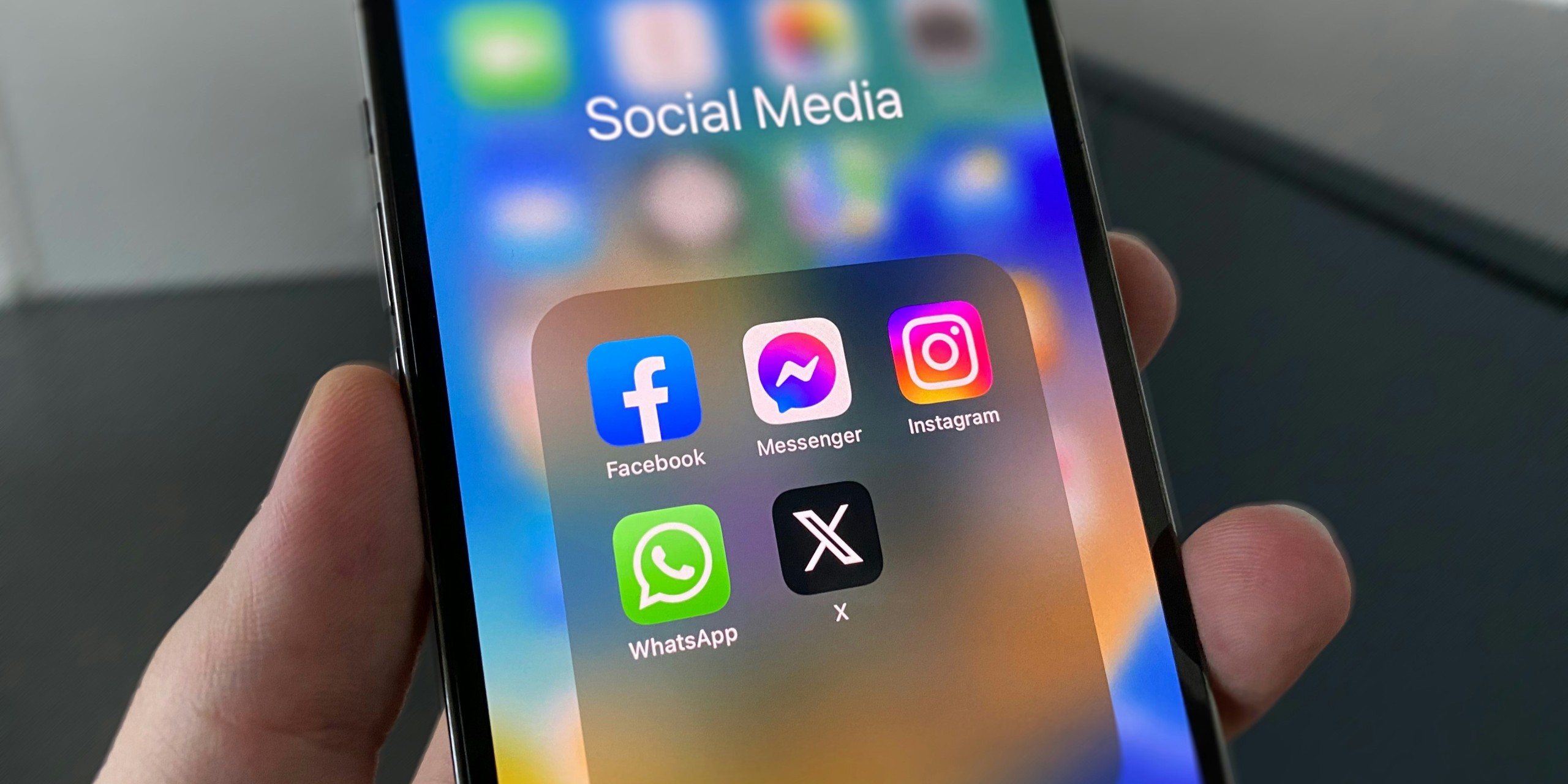
This ban is a bold move given the opposition, but the reasons for ploughing ahead with it are clear. While some benefits of a social media ban are regularly highlighted – such as blocking explicit image sharing, which is also being addressed separately, and protecting children from messages on suicide – the role of social media in eating disorders is less frequently discussed.
As an eating disorders charity providing support across the country, we’ve seen a significant surge in demand, with referrals increasing by 32% in the past year – more than three times the growth rate seen in the previous year.
Alongside this, a recent survey of our supporters revealed 75% of respondents encountered harmful social media content daily, and 87% said harmful content had negatively impacted their eating disorder or that of a loved one. Most of our therapists report social media has playing a role in causing or worsening the condition of the people they are supporting.
The scale of harm being caused to young people with, or at risk of, eating disorders by current social media platform design demands urgent action. That’s why we’re supporting the introduction of a minimum age of 16 for social media access – not because we believe it is a perfect solution, but because, and a minimum age restriction represents the most immediate lever available to government while deeper reform is pursued.
The most important change that can be made is to the design and governance of content recommendation algorithms. Algorithmic amplification of body image content, diet culture and pro-eating-disorder material is, in our view, a primary driver of the eating disorder epidemic we are seeing in young people. Addressing this at source – requiring platforms to ensure their recommendation systems do not serve harmful content, to children in particular – is the most crucial intervention available. However, we recognise this will take time to implement, enforce and evaluate.
In the interim, a minimum age of 16, accompanied by robust age assurance, targeted restrictions on the highest-risk features and functionalities, comprehensive digital and media literacy education programmes, and sustained investment in specialist community support, represents the best available package of measures to protect children now.
We are clear that a minimum age restriction alone – without addressing the harms caused through algorithmic recommendations – will not solve the problem. Teenagers aged 16 and over, and adults, remain exposed to the same harmful content, and this must be addressed too. And even with this ban, under 16s need training and support to prepare them for the social media world once they are 16, and its influences beyond their platforms.
We’re pleased that the Government has seized this opportunity to quickly protect children from the broader harms of social media, including exposure to harmful eating disorder content, while the bigger job of addressing the algorithms takes place, offering some protection for young people at risk of joining these shocking statistics that make up the current eating disorders epidemic.

Written by Daniel Magson
First Steps ED CEO