
We built an ARFID pathway from scratch. Now NICE needs to catch up.
Not long ago, if you came to First Steps ED with ARFID, you would have found we were developing the best treatment methods in partnership with you. This is because there was no established pathway to follow – no national guidance, no agreed treatment model, just an eating disorder that had only been formally recognised in 2013, a growing number of people presenting with it, and a system that had no idea what to do with those impacted.
Thankfully that’s changed. We’ve developed and refined a treatment pathway that produces real outcomes – an average 32% reduction in ARFID traits from the first to the 10th session of one-to-one support. For someone who has spent years terrified of new foods or watching their diet shrink to a handful of safe options, those figures offer real hope. The problem is that most people with ARFID never reach us or they have a long and stressful journey to get to the point of treatment.
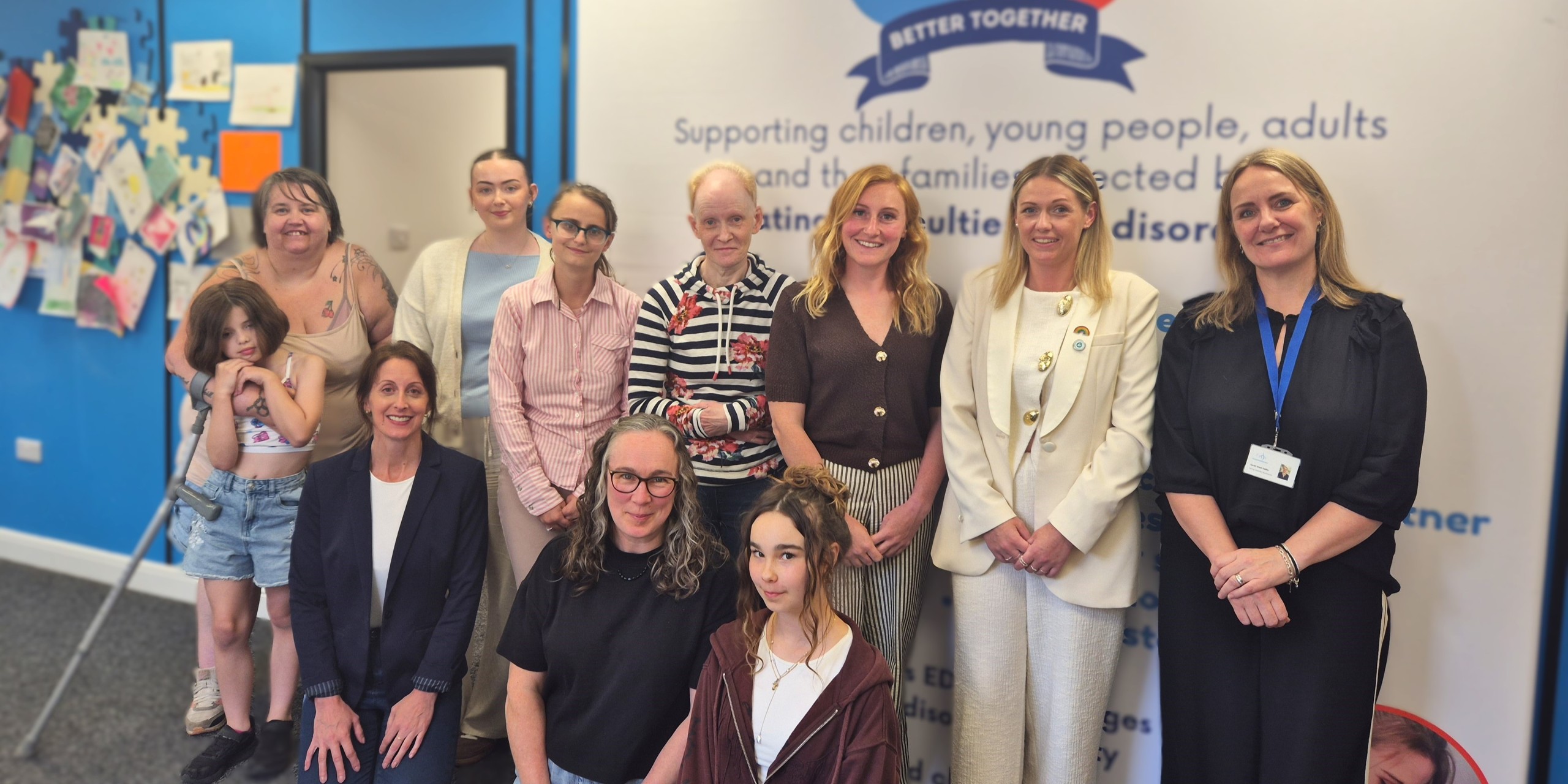
This week we published a report drawing on the experiences of service users and families. We hosted a roundtable discussion and heard from parents battling GPs who have never heard of ARFID, children losing safe foods because a well-meaning teacher said pizza was unhealthy and adults who were told their local NHS service doesn’t treat their eating disorder. One mother, Lucy, whose son died as a result of ARFID, described being offered respite care when what she needed was someone to take her son’s restricted eating seriously.
Other eating disorder charities in England and Wales agree that national guidelines change is needed to tackle unmet need. Our fellow members of REDCAN (Regional Eating Disorders Charities and Alliance and Network) have also seen significant demand for their ARFID services. They too want to see ARFID support more widely commissioned to avoid a postcode lottery, where some children and adults can get early help and others can’t.
A significant part of the problem sits at a national level. ARFID is the only eating disorder not included in NICE guideline NG69 – the guidance that tells clinicians how to identify, refer and treat eating disorders across England. Without that inclusion, there is no recognised pathway, no obligation to commission services, and no framework to tell a GP what to do when a patient presents with it.
First Steps ED, alongside our REDCAN partners, is calling on NICE to update NG69 to include ARFID, and on commissioners to fund the specialist charity sector to deliver ARFID care now – because the expertise, the models, and the outcomes data already exist. Charities have built something that works. What’s missing is the sustained investment to make it available to everyone who needs it.
We know what good ARFID care looks like, and we know it works. What we need now is for the system to support people to find it quickly, and to have access to it wherever they are in the country.

Written by Holly Whitehead
All Ages Services Director, First Steps ED


