Welcome to our blog!
We are passionate about offering a service and community which is inclusive, empathic, understanding and non-judgmental. We believe that support should be available for all those affected by eating difficulties and disorders regardless of age, race, gender identity, religion or belief, or sexual orientation.
These principles of equality and diversity underpin our person-centred, service user led approach to mental health and a big part of the reason we decided to launch our blog space. Here you’ll find First Steps ED updates, as well as stories and features from our community. We want to give everyone an opportunity to share stories, introduce unheard voices and discuss important topics around mental health and eating disorders.

Ask the Experts: How Can Community Support Eating Disorder Recovery?
For this month’s Ask the Experts blog, we asked best-selling author and body image speaker, Alex Light, about the return of 90s/00s body image ideals, and her view on the impact this is having.
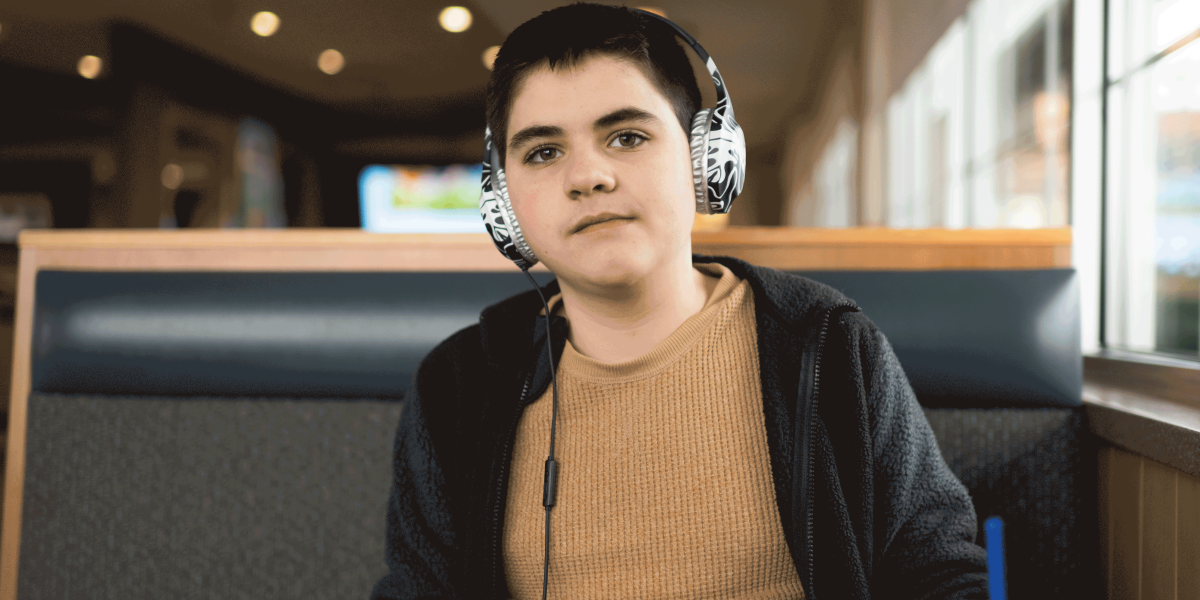
How Autism Can Affect Eating Behaviours
One of the most significant ways autism influences eating is through sensory sensitivities. Many autistic children experience...
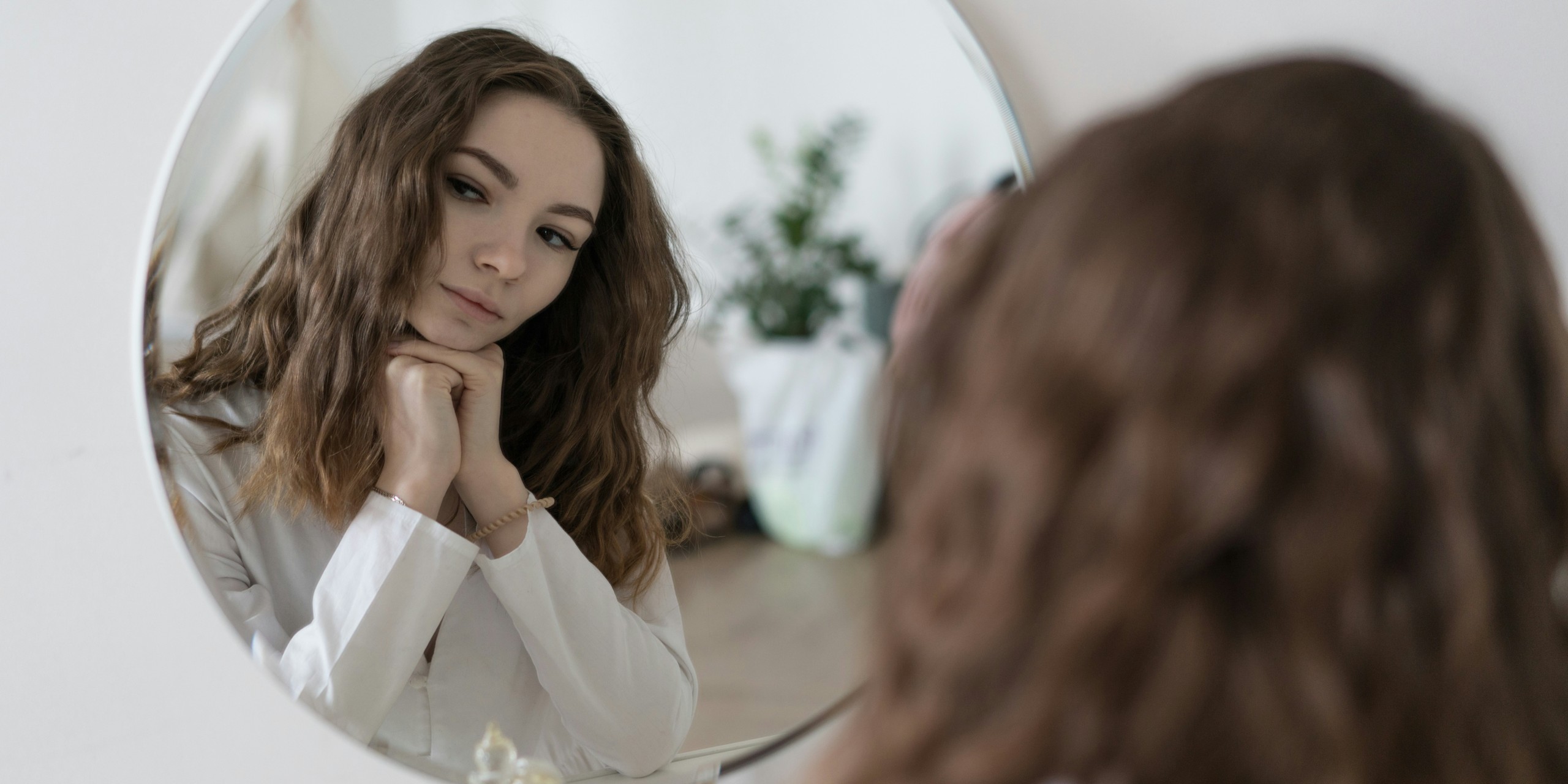
Why Before-and-After Photos Can Be Harmful in Eating Disorder Recovery
Why Before-and-After Photos Can Be Harmful in Eating Disorder Recovery People love before-and-after photos. They’re an easily digestible, instant story: This was me struggling → This is me thriving. But when it comes to eating disorder recovery, those images do far more harm than good — even
Becoming Wellmade_em: My Journey Back to Myself
Becoming Wellmade_em: My Journey Back to Myself Ten years ago, I never imagined I’d be writing about recovery. Back then, food felt like a battlefield and my own body felt like the enemy. Today, I’m living a life that once felt impossible, and I want to
Supporting Young People with ARFID: Why One Size Doesn’t Fit All
Supporting Young People with ARFID: Why One Size Doesn’t Fit All For parents and carers of children with ARFID (Avoidant/Restrictive Food Intake Disorder) or ARFID traits, knowing how best to help can feel overwhelming. At First Steps ED, we understand that every young person is different,
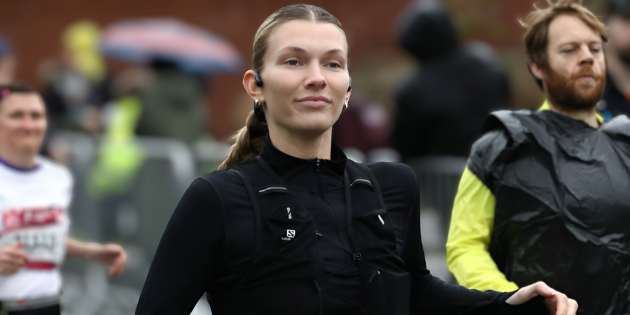
Hannah Takes on the Manchester Marathon for First Steps ED
Hannah Takes on the Manchester Marathon for First Steps ED This year, I’m running the Manchester Marathon to raise funds and awareness for First Steps ED. I’m sharing some of my story below to explain why this cause is so close to my heart and how
Ask the Experts: Alex Light on the Return of 90s/00s Body Ideals
For this month’s Ask the Experts blog, we asked best-selling author and body image speaker, Alex Light, about the return of 90s/00s body image ideals, and her view on the impact this is having.
Binge Eating Disorder vs. Emotional Eating: What’s the Difference?
Understanding the difference between emotional eating and BED helps people recognise when a common behaviour becomes a sign of something more serious that requires support.
From Starving to Starting Lines: My Story of Recovery and Resilience
From Starving to Starting Lines: My Story of Recovery and Resilience Hi Everyone, I'm Mia, and I want to take you on my journey – from recognising and developing my struggle with anorexia and how this majorly impacted my life to the amazing things I have
No-One Left Alone: Pip’s Place and the Power of Peer Support
This December marks ten years since Pip McManus died by suicide in 2015. She was just 15 years old, and had spent her last three years fighting anorexia nervosa...
Atypical Anorexia: Understanding a Misunderstood Diagnosis
Atypical anorexia falls within the category of Other Specified Feeding or Eating Disorders (OSFED) in the DSM-5, the manual used by clinicians to classify mental health conditions...
What Is ARFID? A Parent’s Guide to Avoidant/Restrictive Food Intake Disorder
Avoidant/Restrictive Food Intake Disorder, often known as ARFID, is a recognised eating disorder that affects children, young people, and adults. It involves a pattern of avoiding or restricting food intake that goes far beyond what is commonly thought of as “picky eating”.
Write for us!
We are proud to support and offer a platform for individuals who are ready to share their stories and talk about their experiences of recovery. Together we can offer hope to lives affected by eating disorders. If you have something to say, a story to tell or advice to share, you are in the right place.
Get in touch!