Welcome to our monthly ‘Ask the Experts’ blog, where we put forward some common and challenging questions about eating disorders to our First Steps ED experts. To tie in with this year’s Eating Disorders Awareness Week theme of ‘community’, we asked them:
How have you seen community support someone’s recovery from an eating disorder, and what would you say to those who feel isolated in their journey?
Our experts at First Steps ED regularly witness how connection – whether through formal support groups, creative communities, or simple shared interests – can become one of the most powerful catalysts for healing, and here they share tips for those who might be feeling isolated, or those who are wanting to build their communities.
The quiet power of community
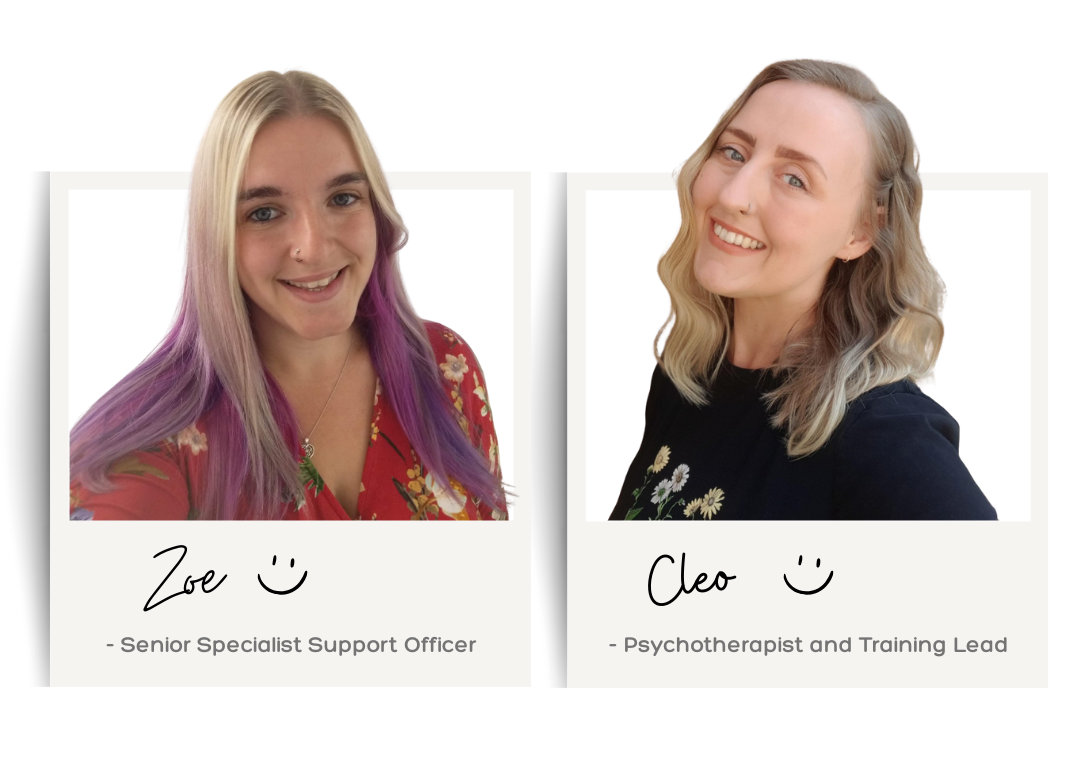
“I’ve seen time and time again how community can be a quiet but powerful part of eating disorder recovery,” explains Zoe Burnet, Psychotherapist at First Steps ED. One example that particularly stands out to her is the Full of Beans Podcast, which has cultivated a strong sense of community behind it. “It has voices that feel real, compassionate, and honest. For many people, it becomes a space for learning, reflection, and healing, but also a reminder that they are not alone in their experience.”
This sense of not being alone, Zoe explains, can be transformative. Finding others who understand – whether through podcasts, support groups, or peer connections – can begin to challenge the narrative that there is no one who understands, or who is dealing with similar struggles.
Finding yourself beyond the eating disorder
As recovery progresses, something else often begins to shift too: identity. Zoe describes how, when the eating disorder loosens its grip, there is more mental and emotional space available.
“The brain is no longer consumed by food, rules, or rituals, and that space can slowly be filled with other things – curiosity, enjoyment, hobbies, interests.”
Being part of a club, group, or shared activity can be incredibly supportive at this stage, as it offers opportunities to explore who you are beyond the eating disorder. Whether it’s joining a book club, taking up a creative class, or simply attending a board game evening, these connections help people step more fully into their own identity.
Community can be destructive
However, community isn’t always straightforward in the context of eating disorders. Cleo Reeves, First Steps ED’s Psychotherapist and Training Lead, acknowledges this complexity:
“A need for community can lead us down a destructive path as much as it can comfort and protect us.”
She explains that in her work at First Steps ED, she sometimes sees service users who have become embroiled in pro-ED websites or find themselves in a community of peers who glorify or even encourage destructive or dangerous behaviours. This darker side of community highlights why the quality and intention behind connection matters so much.
Yet what Cleo also sees are the benefits of recovery-focused communities, built courageously by those who chose (and continue to choose) recovery.
“Our charity is built by someone – our founder Cathy Cleary – who sought community through her own recovery,” Cleo says. First Steps ED’s many volunteers and staff who have lived experience of eating disorders now work to help others, and at the centre of it all are the incredible service users themselves.
“We are proof of what the ED community can look like through recovery – a supportive environment which encourages the personal growth of all within,” Cleo explains.
From isolation to advocacy
What makes recovery communities particularly powerful is how they transform lived experience into something that can help others. “Lived experience creates an opportunity to understand and help others,” Cleo notes. “And so, we find that through recovery we are gifted with more than our own development – we become advocates for others too.”
This is certainly how First Steps ED’s story started, and how many individual recovery journeys evolve. What begins as seeking support for oneself can gradually become offering support to others, creating a ripple effect of hope and healing.
A message for those feeling isolated
To anyone who feels isolated in their recovery, Zoe offers this gentle reminder: “Eating disorders thrive in isolation, but recovery grows in connection. Community doesn’t have to mean something big or formal. It can be anywhere you feel a small pull of interest or belonging.”
The key is finding what feels right for you. Sometimes it’s about pursuing an interest that has nothing to do with the eating disorder at all – rediscovering old passions or exploring new ones.
“Feeling part of something can help you step more fully into your own identity,” Zoe explains, “and remind you that you are more than your eating disorder, and always have been.”
Taking the first step
Cleo encourages anyone reading this to consider: what can you do today to become an advocate for yourself and others through recovery?
“Perhaps a thought has popped to mind just now which will change someone’s life,” she suggests. “Or you will catch yourself one day soon offering a kind word or time to listen, and you will see the mental health advocate within you growing.”
Recovery is deeply personal, and each person’s path looks different. The isolation that eating disorders create can feel overwhelming, but connection – in whatever form feels safe and meaningful – can help break through that loneliness. Whether it’s listening to a podcast that makes you feel less alone, joining a creative group that has nothing to do with eating disorders, or eventually supporting others on their own journeys, community can be a quiet but powerful force in recovery.